U.S Catholic Magazine: At an ICE detention center, liturgy becomes protest
article in the U.S. Catholic magazine by reporter Cassidy Klein.
Dance, liturgy, and resistance
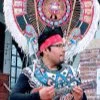
At the opening of the People’s Mass on November 1, Aztec dancers—concheros—wore regalia and played instruments and danced outside Broadview. The group, Xóchitl-Quetzal Aztec Dance: Mesa Santiago Apostol (Apostle St. James), dances out of a deep tradition of faith and social justice.
Henry Cervantes, founder and director of Xóchitl-Quetzal Aztec Dance and an ordained dance chief, says his job is to “carry out the tradition as it was instilled to me, from a place of love and faith.”
Cervantes has been dancing for 20 years. In the early 2000s, he saw dancers holding a demonstration where ICE raids were happening in Little Village, the dance group’s home base. “I remember them praying and singing songs about Jesus and Mary,” he says. “At that moment I fell in love with the dance.”
This Aztec dance tradition dates back to 1531, after the conquest of Mexico. “That’s the place of reference for many of us dancers,” Cervantes says. “The mass conversion that happened in Mesoamerica. Our ancestors accepted the faith traditions that came but still held on to who they were.”
The concheros play mandolin and guitar, which is a way to “preserve the drum beats that were forbidden during the early colonization of the Americas,” Cervantes says. “What’s happening today has been happening for 500 years. That they could just pick you up on the street because you’re brown, because you speak Spanish, and because you happened to be born somewhere else.”
The patron saint of Xóchitl-Quetzal Aztec Dance is St. James, who is known as the “carrier of the four winds, because he carried the word of Jesus to the edges of the Earth,” Cervantes says. Dancers carried their banner of St. James as they opened the People’s Mass for the Day of the Dead. A dancer blew a conch shell.
“It was a solemn dance for us,” Cervantes says. “It wasn’t a dance of celebration. It was a dance of struggle. The dance I did was Señor de la Misericordia, which means Lord of Mercy. We know the reports of the many people who died this year alone under ICE custody—that’s who I was thinking about.”
There are 40 dancers in the group, but not everyone could make it to the Mass because of the risk of deportation. “We’re grateful that the Mass happened, because I think there’s always a need for that tradition of understanding Catholic social teachings and the activist spirit,” Cervantes says.